
The University of California, Berkeley (UC Berkeley) is widely recognized as one of the world’s top public universities. Known for groundbreaking research, influential alumni, and academic excellence, Berkeley attracts students from across the globe.
Founded in 1868, the university sits in the San Francisco Bay Area and has built a reputation for leadership in engineering, business, law, and social sciences.
But beyond rankings and academics, UC Berkeley has fascinating traditions, history, and secrets that make it one of the most unique campuses in the world.
Key Takeaways
- UC Berkeley was founded in 1868 and is one of the most prestigious public universities in the world.
- Berkeley receives over 126,000 applications annually.
- The acceptance rate is around 11%, making it highly competitive.
- The campus has 14 schools and colleges offering hundreds of programs.
- Berkeley played a historic role in the 1964 Free Speech Movement.
Here are 15 things you probably didn’t know about UC Berkeley.
15 Interesting Facts About UC Berkeley
1. UC Berkeley Was the First Campus in the UC System
Berkeley was the first University of California campus, established in 1868. It laid the foundation for what later became the UC system.
2. Berkeley Receives Over 150,000 Applications
In recent admission cycles, Berkeley received more than 150,000 undergraduate applications, showing how competitive it has become.
3. The Acceptance Rate Is Around 11%
Berkeley’s acceptance rate is approximately 11%, making it one of the most selective public universities in the world.
4. The Campus Has Over 130 Academic Departments
Berkeley offers more than 130 academic departments and 80 interdisciplinary research centers, covering nearly every field of study.
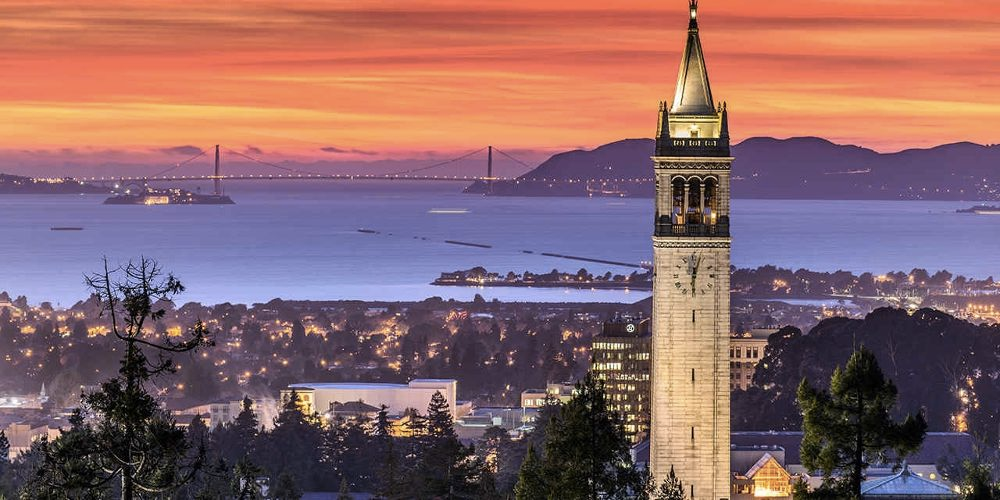
5. The Famous Campanile Tower Is 307 Feet Tall
The Sather Tower (Campanile) is one of Berkeley’s most iconic landmarks and the third-tallest bell tower in the world.
6. The Free Speech Movement Started Here
In 1964, UC Berkeley students launched the Free Speech Movement, which transformed campus activism across the United States.
7. Berkeley’s Colors Are Blue and Gold
The official school colors symbolize:
- Blue – the California sky and ocean
- Gold – California’s “Golden State” heritage
8. The Mascot Is Oski the Golden Bear
Berkeley’s mascot, Oski, represents the Golden Bears athletic teams and has been a campus symbol for decades.
9. The Campus Botanical Garden Has 10,000+ Plants
The 34-acre Berkeley Botanical Garden houses more than 10,000 plant species, including rare and endangered plants.
10. The Famous “4.0 Ball” Brings Students Good Luck
Students rub the stone ball near the Campanile before exams because it’s believed to bring good grades and academic luck.
11. Berkeley Has Over 1,000 Student Organizations
Students can join more than 1,000 clubs and organizations, covering everything from entrepreneurship to performing arts.
12. The Stanford Axe Rivalry Is Legendary
Berkeley’s rivalry with Stanford dates back more than a century. The winner of the annual football game receives the Stanford Axe trophy.
13. Berkeley’s Student-Faculty Ratio Is 19:1
This ratio helps ensure students receive guidance from faculty while still experiencing a large research university environment.
14. The Campus Includes Redwood Forests
UC Berkeley’s campus is famous for its natural beauty, including redwood groves, gardens, and scenic walking paths.
15. Berkeley Graduates Lead Innovation
Berkeley alumni have won dozens of Nobel Prizes, launched major tech companies, and influenced global politics and science.
UC Berkeley Admissions Statistics (2026)
Metric | Data |
Applicants | 126,000+ |
Acceptance Rate | ~11% |
Average GPA | ~3.9 |
Freshman Admits | ~14,000 |
Student-Faculty Ratio | 19:1 |
Sources: UC Berkeley Admissions Data
How to Get Into UC Berkeley
Because Berkeley is extremely competitive, applicants must stand out academically and personally.
Top factors include:
- Strong GPA and academic rigor
- Leadership activities
- Extracurricular achievements
- Personal insight essays
- Community involvement
Admissions officers use holistic review, meaning they evaluate the entire student profile, not just grades.
All this makes UCB sound like a unique and intriguing place to study at, and indeed it very much is for many. Getting into UCB isn’t easy though. For everything it offers, the University of California Berkeley expects its students to have an excellent academic record, essays, extracurriculars, voluntary work and more.
HOW CAN ROSTRUM HELP?
Want to attend a world-class university? Let our world-class team of college admission experts and counsellors guide you. We can help you build your profile and ace your SAT/ACTs. Our tutors will be there for you throughout the years and make sure you reach your targets & meet your deadlines. Contact us today and get started!
SUMMARY
UC Berkeley is one of the world’s leading public universities, founded in 1868 and known for its academic excellence, groundbreaking research, and influential alumni. The university receives over 126,000 applications each year and has an acceptance rate of about 11%, making it extremely competitive. Key highlights include its iconic Campanile tower, the historic Free Speech Movement, more than 130 academic departments, and over 1,000 student organizations. Students aiming to attend UC Berkeley must demonstrate strong academics, leadership, and impactful extracurricular achievements.
FAQs
Is UC Berkeley the best public university?
UC Berkeley consistently ranks among the top public universities globally due to its research output, academic excellence, and influential alumni.
What GPA do you need for UC Berkeley?
Most admitted students have a GPA between 4.15 and 4.29 weighted, with nearly all ranking in the top of their class.
How hard is it to get into UC Berkeley?
With an acceptance rate around 11%, Berkeley is one of the most competitive public universities.