

Parsons School of Design, New York City, New York
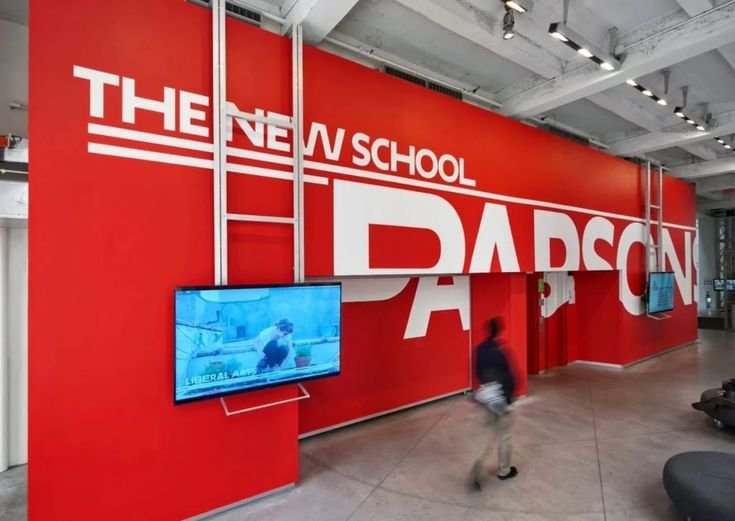
As a part of The New School, the Parsons School of Design sits at #3 worldwide as a design school, according to QS World Rankings by Subject: Art and Design 2026. Parsons sits at the epicentre of global design culture in the most dynamic city in the world. It is perhaps best known for its fashion design program, but its reach extends across communication design, strategic design, and integrated design. Parsons connects students with industry partners from day one, and its strong alumni network spans the fashion, media, and tech industries. Students in the BFA in Communication Design complete foundational work in their first year before diving into specialised tracks, with opportunities to intern and study abroad through the Fox School’s Florence Program. Graduates have been hired at Saatchi & Saatchi, Chanel, Amazon, Pentagram, Bain & Company, The Guggenheim, and Vogue. For designers who want to be in the thick of New York’s creative world from their very first semester, Parsons is second to none.
Notable programs: Fashion Design, Communication Design, Strategic Design, Integrated Design
Rhode Island School of Design (RISD), Providence, Rhode Island
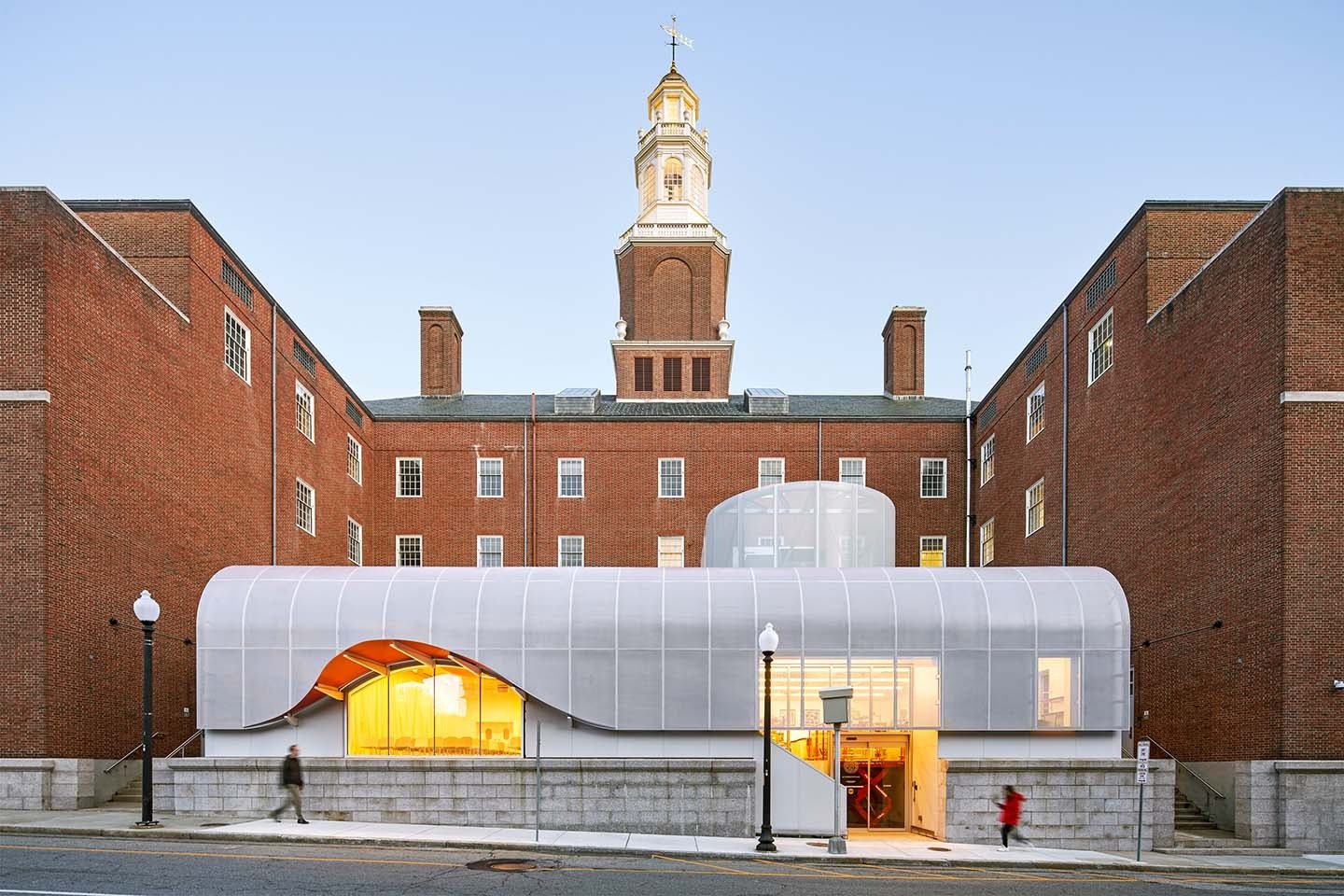
At #4 of QS’ World Rankings by Subject: Art and Design 2026, RIDS is widely regarded as the finest design and art school in the world, and has long set the standard for design education in America. Its Graphic Design department is the school’s largest, serving over 150 students with dedicated studios and facilities for screen printing, bookbinding, and papermaking. The four-year BFA program is project-based with shared, collaborative spaces that foster peer learning, while the MFA features individual private workspaces and two customizable tracks. Graduates go on to land positions at some of the most iconic organisations in the world: Google, Apple, Meta, Nike, The New York Times, and Pentagram, among them. For students serious about design at the highest level, RISD remains the benchmark.
Notable programs: Graphic Design, Industrial Design, Interior Architecture, Illustration, Textile Design
Pratt Institute, Brooklyn, New York
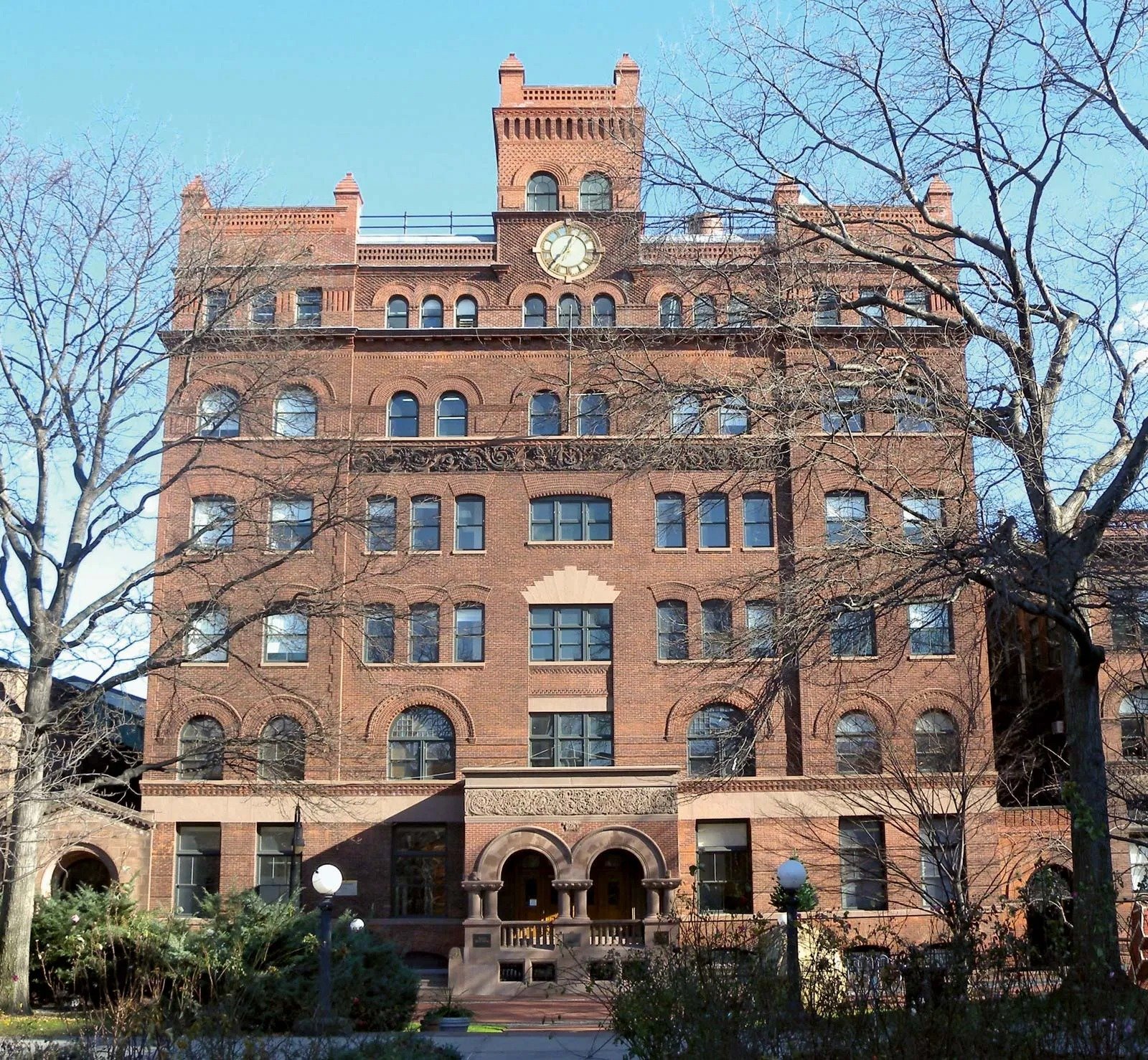
Sitting at #5 of QS’ rankings of design schools, Pratt’s location in Brooklyn puts students in one of the world’s most vibrant and diverse design communities, and the school has been cultivating exceptional designers since 1887. Its programs in industrial design, graphic design, and interior design are renowned for combining rigorous craft-based training with deep conceptual thinking. Students at Pratt benefit from proximity to New York City’s vast network of studios, agencies, and cultural institutions, and the school regularly hosts visits from leading practitioners in the field. Small class sizes ensure close mentorship from faculty who are active professionals. Pratt graduates are prized by design firms around the world for their versatility and technical precision.
Notable programs: Industrial Design, Graphic Design, Interior Design, Digital Arts, Communications Design
Carnegie Mellon University, Pittsburgh, Pennsylvania
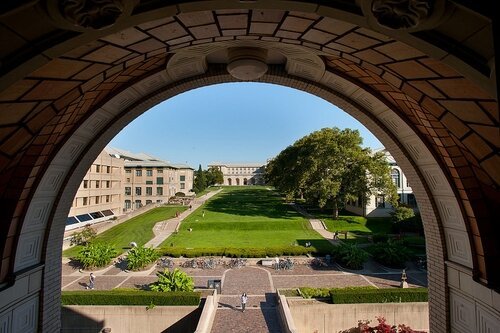
Carnegie Mellon’s School of Design is globally respected for its human-centred design philosophy – the idea that great design begins and ends with people. Programs in Communication Design, Industrial Design, and Interaction Design are among the most competitive in the country, with an overall university acceptance rate of around 14%. CMU’s strength lies in its unique position at the intersection of technology, business, and creativity. Students regularly collaborate across the university’s world-class engineering and computer science departments, and CMU alumni are consistently recruited by top tech companies, including Apple, Google, and Microsoft. For students who want to design the future of digital products and experiences, CMU is without peer.
Notable programs: Interaction Design, Communication Design, Industrial Design, HCI
School of Visual Arts (SVA), New York City, New York
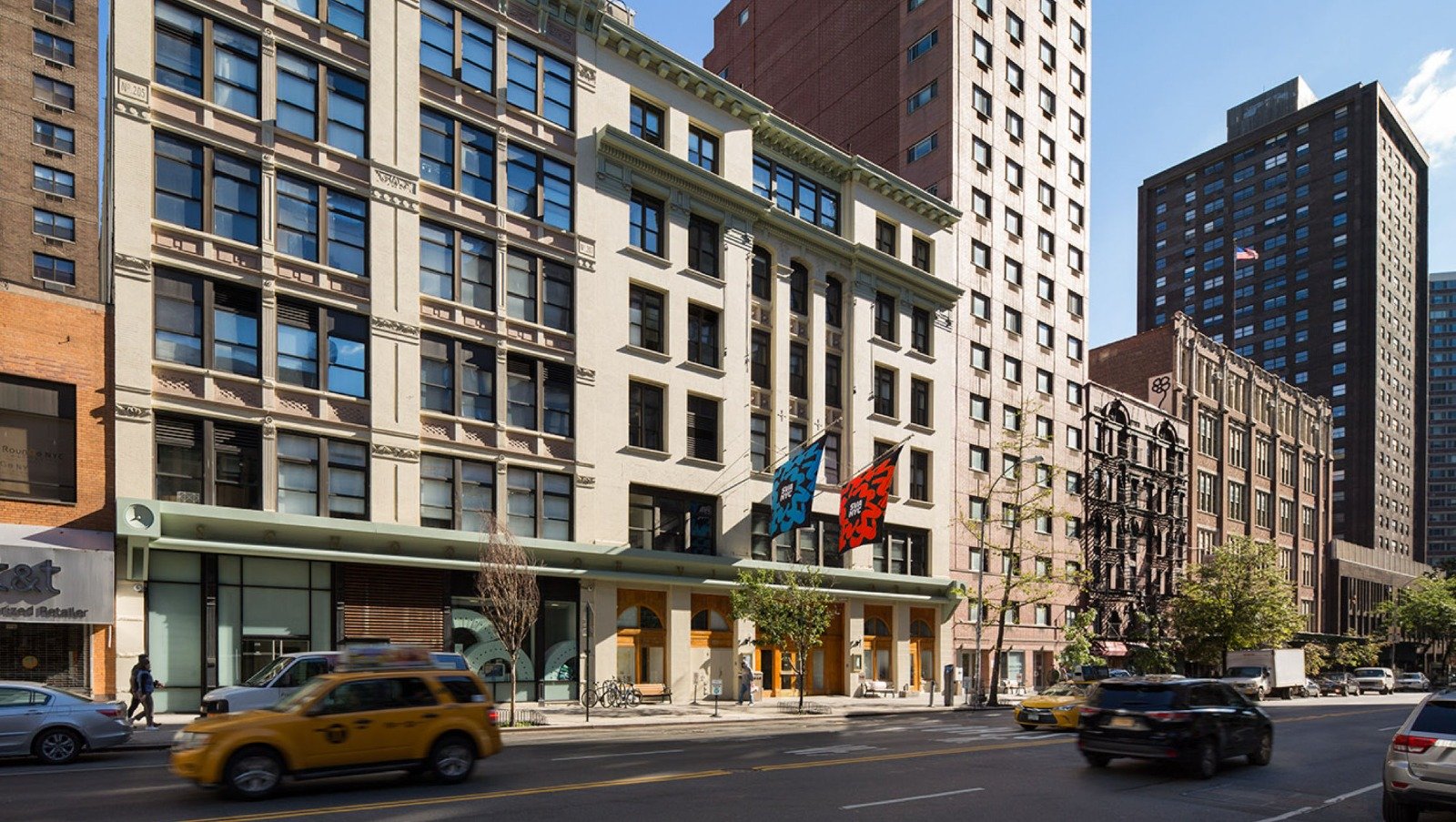
SVA is a top destination for creative students who want meaningful industry exposure before they graduate. With a student body of around 4,000 and an acceptance rate of approximately 70%, SVA is more accessible than many of its peers – but its professional demands are anything but relaxed. SVA’s strong connections to real clients and companies give students a competitive edge, and the school’s New York City location means the design industry is literally outside the front door. Programs in Graphic Design, Illustration, and Interactive Design consistently produce graduates who hit the ground running. If you want a design education that is unapologetically professional and NYC-rooted, SVA delivers.
Notable programs: Graphic Design, Illustration, Interactive Design, Advertising, Photography
California Institute of the Arts (CalArts), Valencia, California
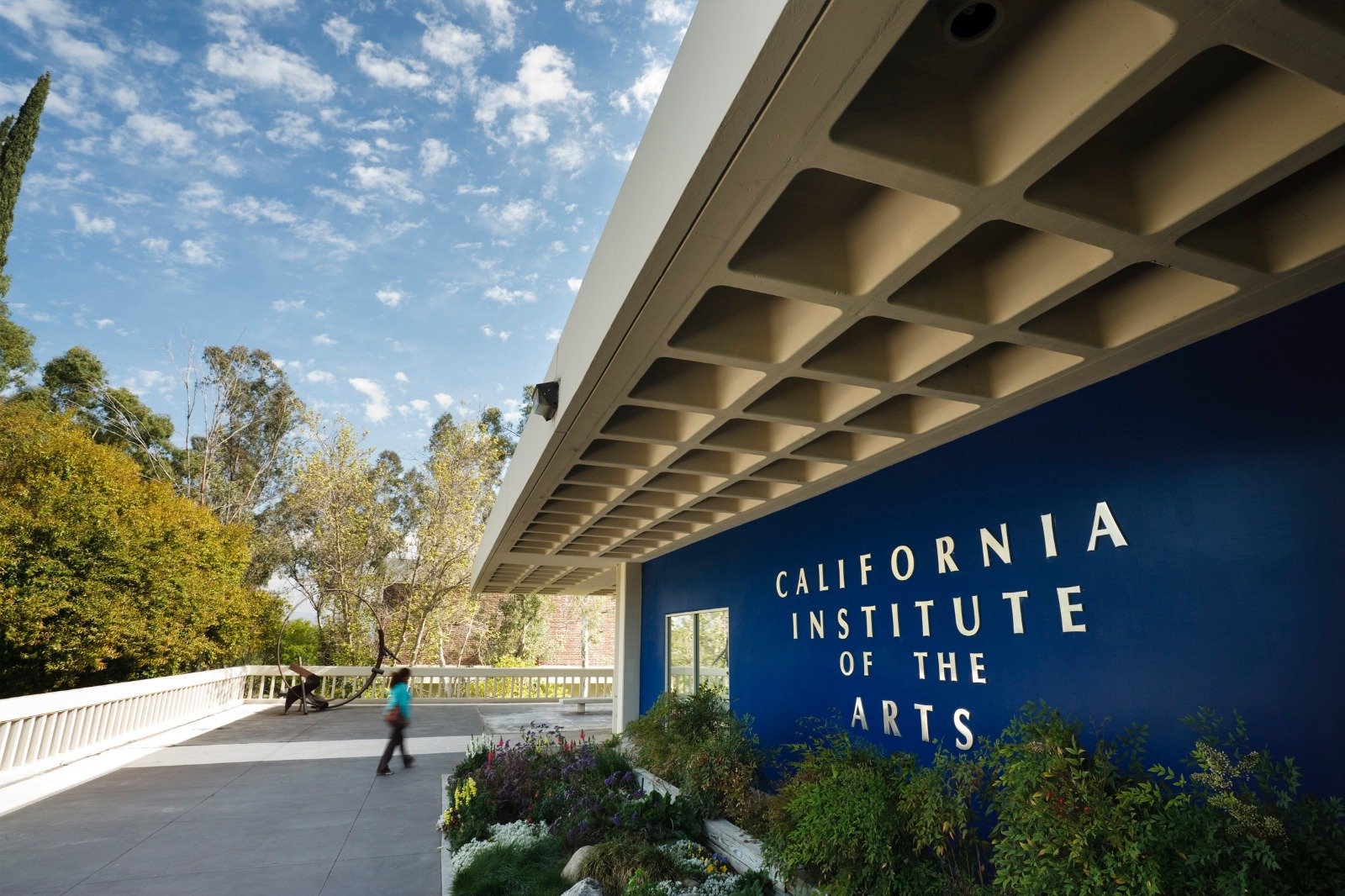
Founded in 1961 by Walt Disney, CalArts is one of the most distinctive and deliberately unconventional institutions on this list. With around 1,500 students and a 27% acceptance rate, it’s a small, focused community that prizes experimentation above almost everything else. CalArts encourages students to push the boundaries of design, challenge assumptions, and take creative risks that more traditional schools might discourage. Its alumni network spans animation, graphic design, fine arts, and the entertainment industry, and the school has an extraordinary track record of producing influential voices in visual culture. CalArts is not for everyone, but for the right student, it is transformative.
Notable programs: Graphic Design, Animation, Film & Video, Experimental Design, Art
Savannah College of Art and Design (SCAD), Savannah, Georgia
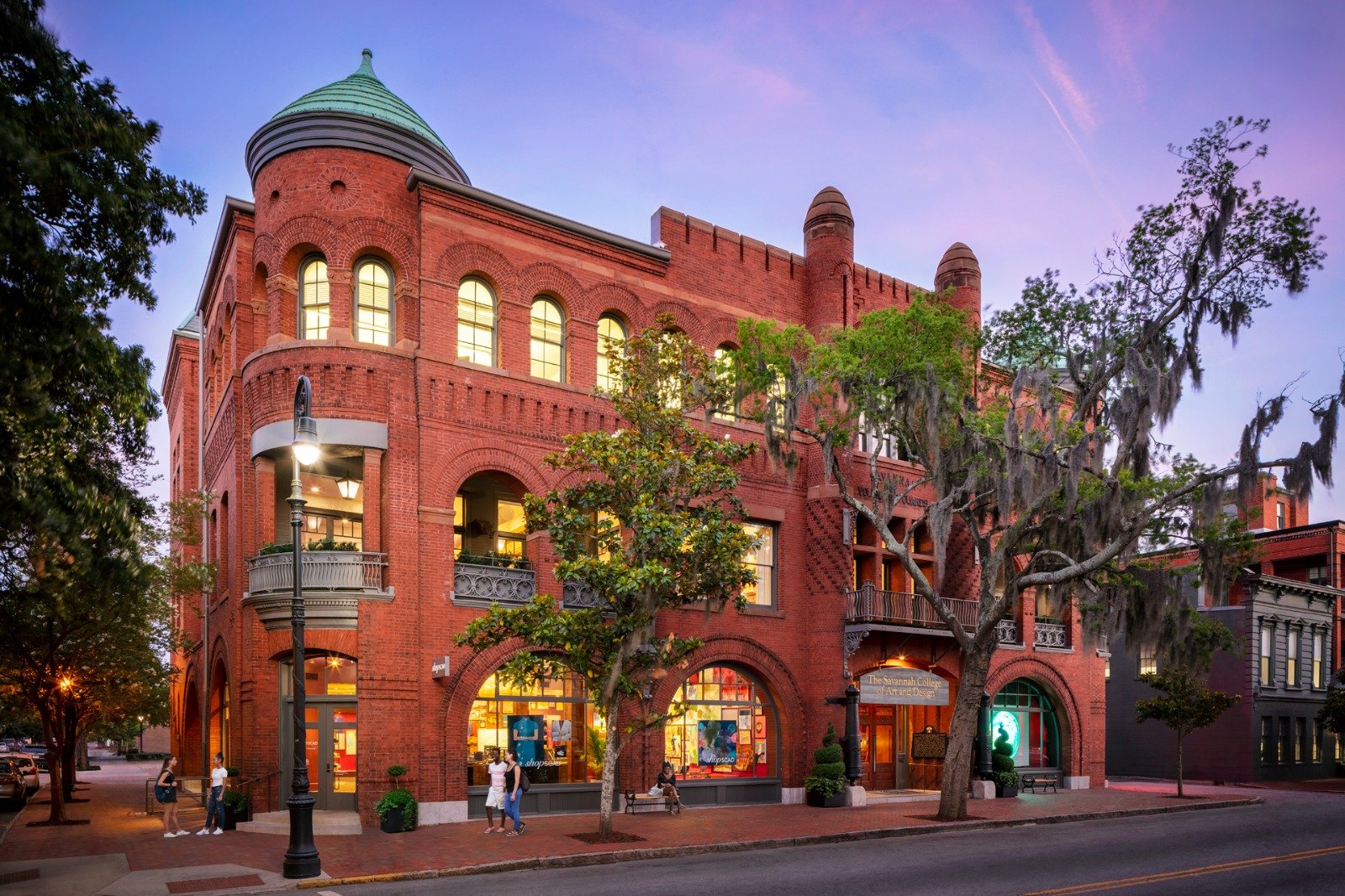
SCAD stands out on this list for its sheer breadth. With programs spanning graphic design, fashion design, advertising, animation, and UX design across campuses in the US and abroad, SCAD offers one of the most comprehensive design educations available anywhere. Its UX design program was notably developed in collaboration with Google, ensuring a curriculum that is as current and industry-aligned as it gets. SCAD’s emphasis on career readiness is evident: the school runs an active career centre, maintains partnerships with major employers, and organises SCADpro, a studio where students work on real-world projects for Fortune 500 companies. Graduates are routinely hired at major tech and design firms across the globe.
Notable programs: UX Design, Graphic Design, Fashion Design, Animation, Advertising
Massachusetts College of Art and Design (MassArt), Boston, Massachusetts
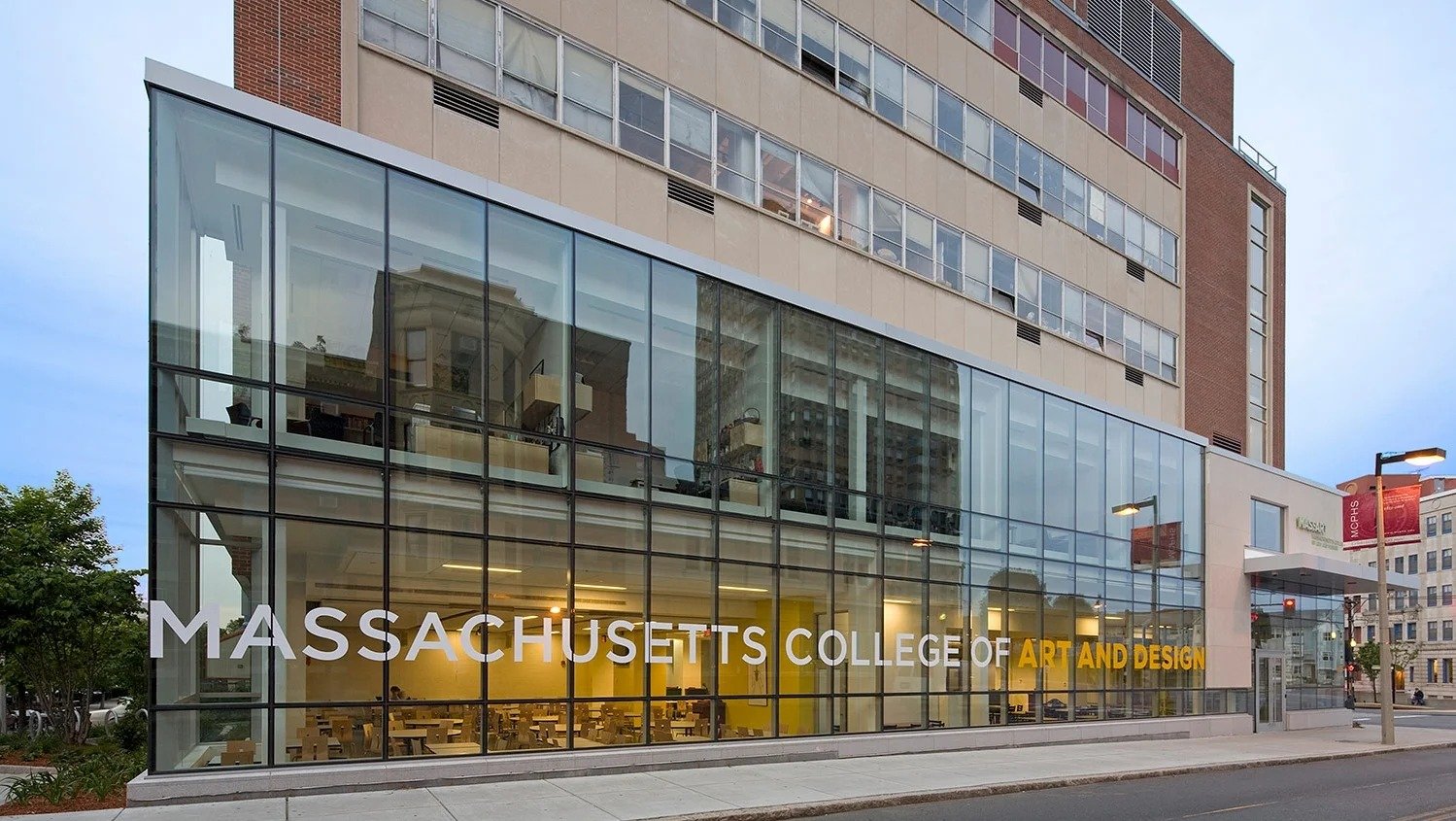
MassArt holds a unique distinction: it is the only publicly funded, freestanding college of art and design in the United States. This means students receive a world-class design education at a fraction of the cost of comparable private institutions. Located in Boston’s vibrant Fenway neighbourhood, MassArt offers strong programs in graphic design, industrial design, and fashion design, all with an emphasis on community engagement and socially responsible practice. The school produces graduates who are not only technically skilled but genuinely thoughtful about the role design plays in society. For students who want rigorous, values-driven design training without the private school price tag, MassArt is an outstanding choice.
Notable programs: Graphic Design, Industrial Design, Fashion Design, Dynamic Media, Studio for Interrelated Media
University of Cincinnati, College of DAAP, Cincinnati, Ohio
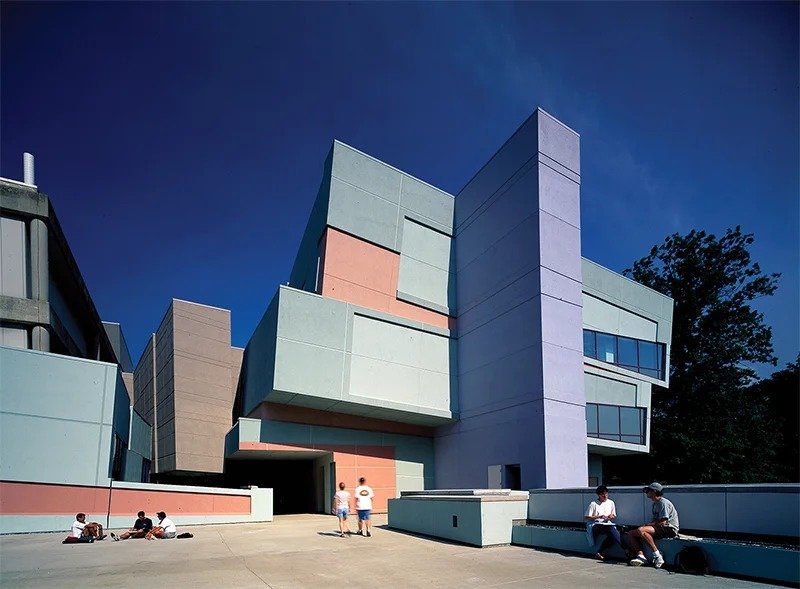
UC’s College of Design, Architecture, Art, and Planning, known as DAAP, is famous for one thing above all else: its co-op program. One of the oldest and most respected cooperative education programs in the country, DAAP places students in real industry jobs throughout their degree, alternating between semesters of academic study and professional work placements. By graduation, students don’t just have a degree; they have substantial, verifiable work experience. Programs in Graphic Communication Design, Industrial Design, and Fashion Design are all highly regarded, and DAAP’s employer partnerships with major corporations give graduates a ready-made professional network. For students who value practical experience as much as academic learning, DAAP is in a class of its own.
Notable programs: Graphic Communication Design, Industrial Design, Fashion Design, Architecture, Urban Planning
Ringling College of Art and Design, Sarasota, Florida
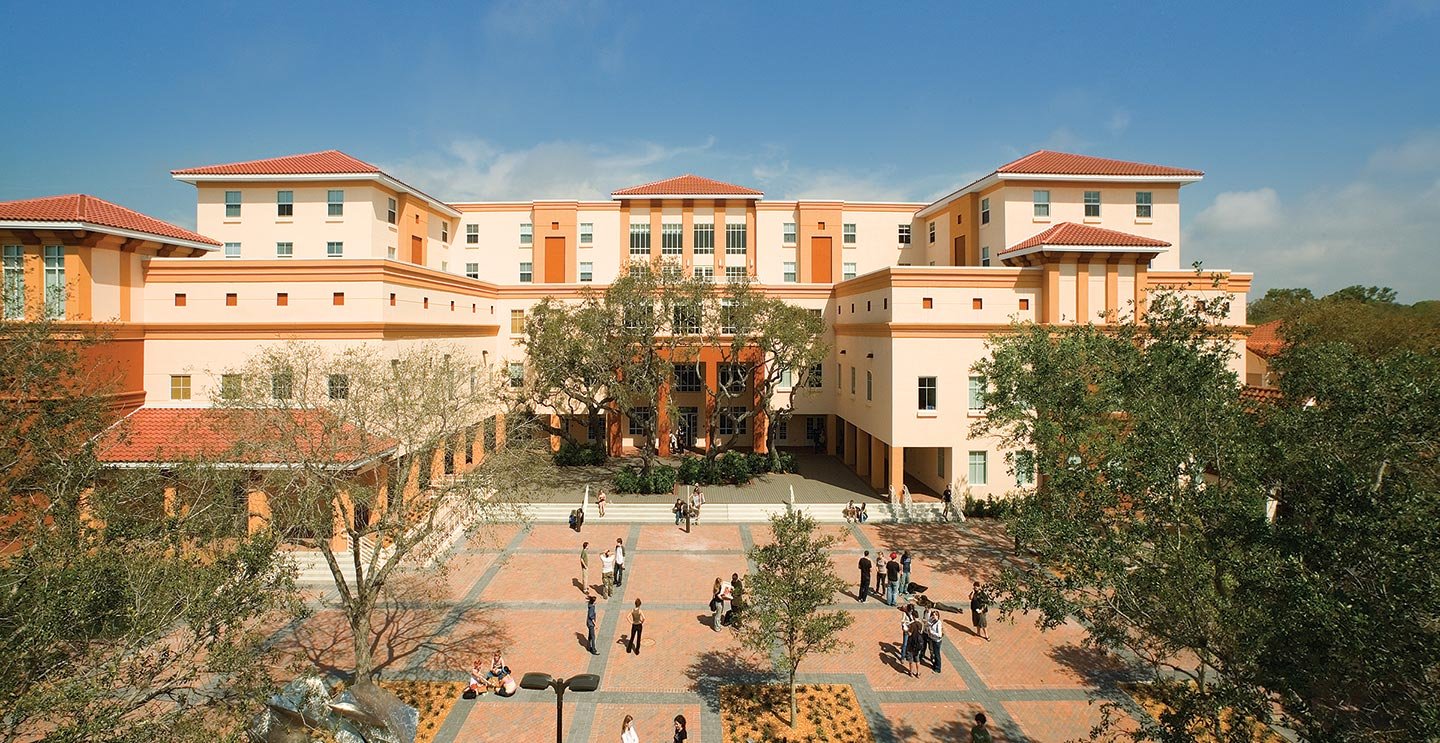
Rounding out our list is Ringling College, a focused, professional institution with a strong reputation for turning creative talent into career-ready graduates. Established in 1980, its Graphic Design Program housed within Communication Arts gives students real-world experience through the school’s in-house design studio, the Ringling College Design Centre, where they work on live briefs for actual clients. The BFA in Communication Design covers typography, image-making, user experience, and research methods, building a well-rounded foundation. Ringling graduates have been hired at agencies and companies, including Saatchi & Saatchi, Microsoft, Disney, Pentagram, and Amazon. The school’s Sarasota setting also offers an unusually pleasant quality of life for art school students.
Notable programs: Communication Design, Motion Design, Illustration, Game Design, Computer Animation
Choosing the Right School for You
Rankings are useful starting points, but the best design school is ultimately the one that fits you. Each of these institutions has a distinct philosophy, culture, and set of strengths. RISD demands rigorous craft mastery. CMU rewards analytical thinkers. CalArts nurtures the experimenters. DAAP values real-world experience. Before applying anywhere, ask yourself what kind of designer you want to become and which environment will push you hardest toward that goal.
Visit campuses wherever possible, speak with current students and recent alumni, and look closely at portfolio outcomes in your specific discipline. A school’s ranking matters far less than whether its community, resources, and values are genuinely aligned with yours.